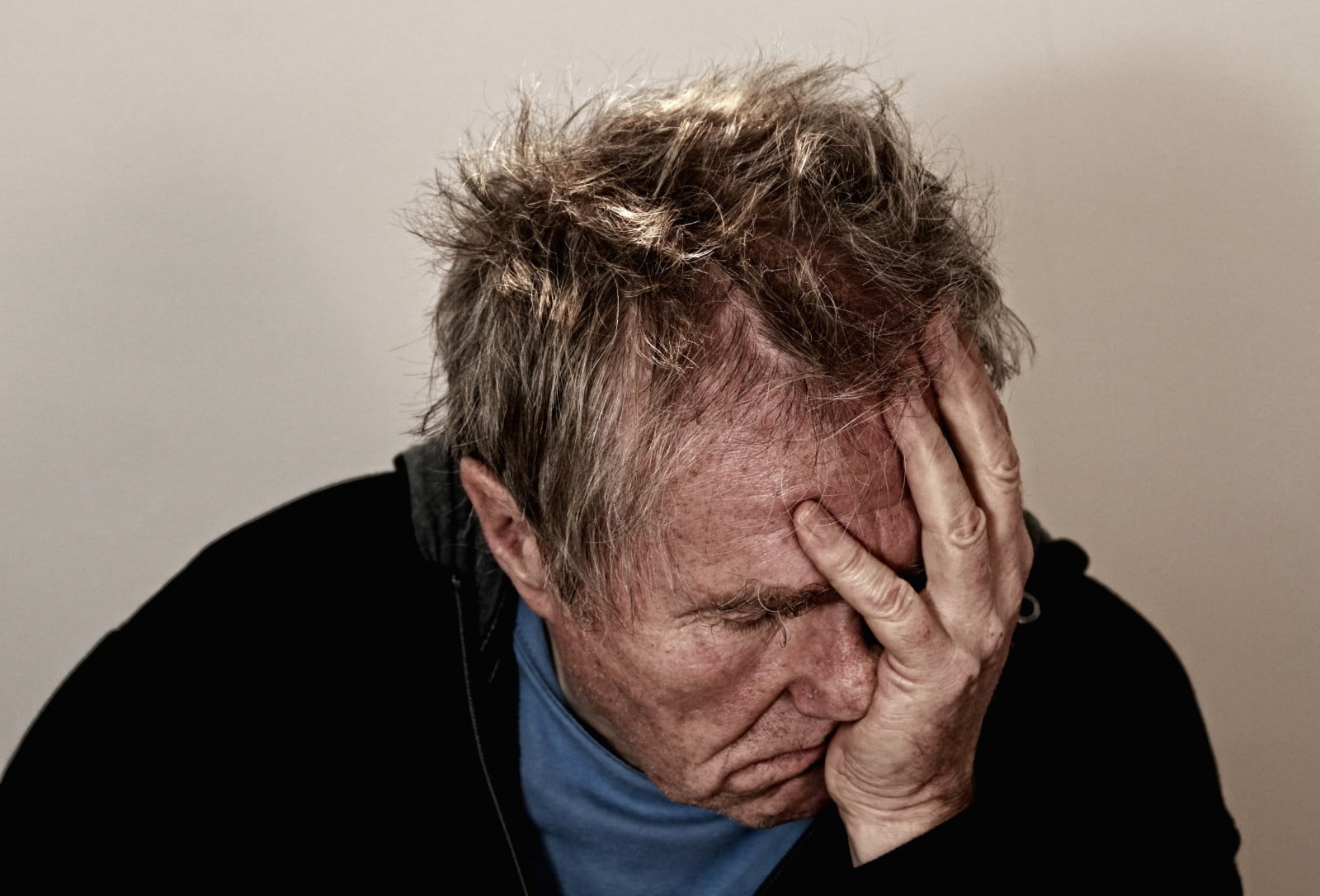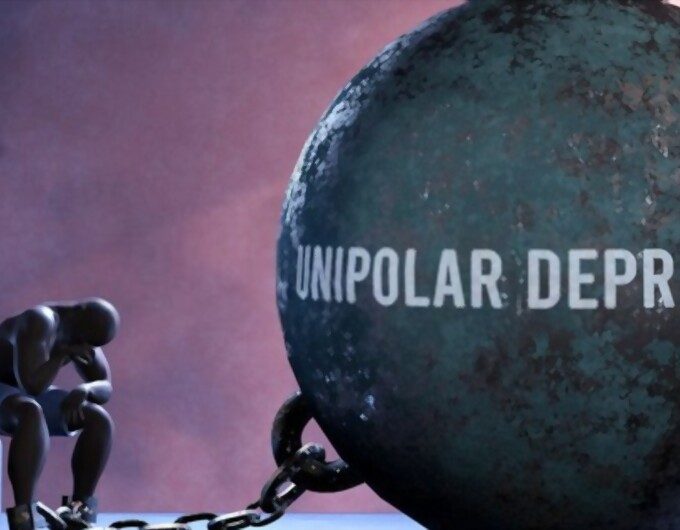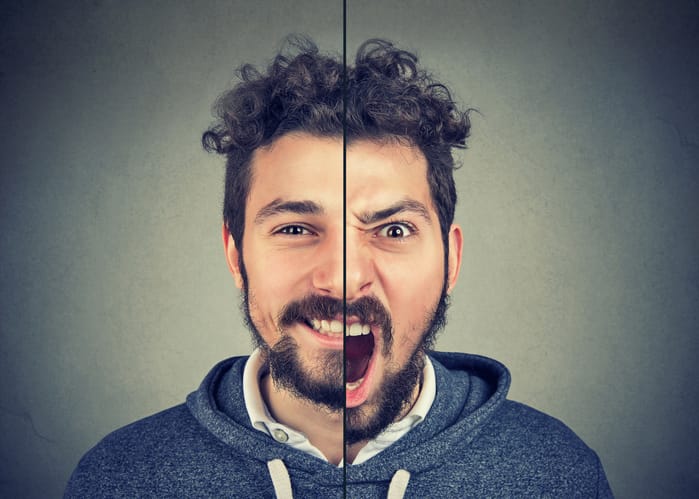


Depression is a common mental illness that can have a profound effect on a person’s life. Severe depression is a serious form of depression that can lead to suicide. It is important to be aware of the signs and symptoms of severe depression, as well as the different types of depression, in order to get the proper treatment.
Severe Depression
Table of Contents
Severe depression is a mental illness that causes a person to feel extremely sad, hopeless, and worthless. It can lead to physical problems such as headaches, stomachaches, and insomnia. Severe depression is different from regular depression in that it is much more intense and lasts for a longer period of time. Severe depression can be caused by a variety of factors, including genetics, brain chemistry, and life events. Severe depression is treated with a combination of medication and therapy.
What Are The Signs And Symptoms Of Severe Depression?
The signs and symptoms of severe depression can vary from person to person, but there are some common ones. People with severe depression may lose interest in activities they used to enjoy, have difficulty concentrating, and make changes in their eating habits and weight. They may also feel hopeless and helpless, and think about death or suicide.
If you or someone you know is experiencing these symptoms, it’s important to seek professional help. Severe depression is a serious mental illness that can have a negative impact on every aspect of a person’s life. With proper treatment, however, many people with severe depression are able to manage their symptoms and live full lives.
How Is Severe Depression Different From Other Types Of Depression?
Severe depression is different from other types of depression in a few ways.
- First, it is more intense and lasts longer. People with severe depression may have difficulty sleeping, eating, and functioning in their everyday lives. They may also have suicidal thoughts or attempt suicide.
- Second, severe depression can be harder to treat than other types of depression. This is because the person may not be able to stick to their treatment plan or follow through with therapy.
- Third, severe depression may have different causes than other types of depression. For example, it may be caused by a chemical imbalance in the brain or a traumatic event.
- Fourth, people with severe depression are more likely to have co-occurring mental health disorders, such as anxiety disorders, substance use disorders, or eating disorders.
What Are The Causes Of Severe Depression?
- One of the most common causes of severe depression is low self-esteem. People who have low self-esteem often believe that they are not good enough, no matter what they do. They may also have unrealistic expectations and be overly critical of themselves. Perfectionism can also contribute to the development of severe depression.
- Social factors such as isolation, bullying, and a lack of social support can also play a role in the development of severe depression. People who are isolated from others often feel alone and misunderstood. They may also feel like they have no one to turn to for help. Bullying can also lead to feelings of helplessness, worthlessness, and despair.
- Biological factors such as a family history of depression, a chemical imbalance in the brain, and certain medical conditions can also be contributing factors. People who have a family history of depression are more likely to develop the condition themselves. A chemical imbalance in the brain can lead to symptoms of depression. And certain medical conditions can cause or worsen symptoms of depression.
How Is Severe Depression Treated? With Some Important Points
Severe depression is a serious mental illness that can be difficult to treat. There are several different treatment options available, and the most appropriate one will depend on the individual’s individual situation and preferences.
- Medication is one treatment option for severe depression. Commonly prescribed medications for depression include selective serotonin reuptake inhibitors (SSRIs), tricyclic antidepressants (TCAs), and monoamine oxidase inhibitors (MAOIs). These medications can help to relieve some of the symptoms of depression, but they do not work for everyone.
- Therapy is another treatment option for severe depression. Cognitive behavioral therapy (CBT) is a type of therapy that has been shown to be effective in treating depression. CBT helps people to change their negative thinking patterns and behaviors. Other types of therapy, such as interpersonal therapy (IPT) and psychodynamic therapy, may also be helpful.
- In some cases, electroconvulsive therapy (ECT) may be recommended. ECT is a medical procedure that involves passing electrical currents through the brain. It is usually only used when other treatments have failed.
- Hospitalization may be necessary in some cases where the person is a danger to themselves or others. During hospitalization, the person will be closely monitored and will receive intensive treatment. After they are discharged from the hospital, they will need to continue treatment on an outpatient basis.
Conclusion
This section of the article will provide a summary of the information covered in the previous sections. It will answer any remaining questions the reader may have about severe depression, and offer some final tips for coping with the condition.
Severe depression is a serious mental illness that can have a profound impact on all aspects of an individual’s life. It is important to be aware of the signs and symptoms of severe depression, as early diagnosis and treatment can make a significant difference in outcome. If you or someone you know is experiencing symptoms of severe depression, it is important to seek professional help.
Last Words Of Authors
- First, it’s important to understand that not everyone experiences severe depression in the same way. Some people may only experience symptoms for a short period of time, while others may feel like they’re in a constant state of depression.
- Second, there are different types of depression, and each type has its own set of symptoms. For example, major depressive disorder is characterized by a loss of interest or pleasure in activities, feelings of worthlessness or guilt, and changes in sleep or appetite.
- Third, severe depression can have a number of consequences, both short-term and long-term. These can include problems with work, school, or relationships; self-harm; and thoughts of suicide.
- Fourth, there are many different treatment options available for people with severe depression. These can include medication, psychotherapy, and hospitalization.
- Fifth, it’s important to remember that recovery from severe depression is possible. If you’re struggling with the condition, reach out for help from a mental health professional. Finally, here are some tips for coping with
Severe Depression:
- Talk to someone who understands what you’re going through
- Focus on one day at a time
- Find an activity that brings you joy
- Reach out for professional help
What are some severe depression symptoms
Depression is more than just feeling down or going through a tough time. It’s a real medical condition with real and serious consequences. Symptoms of depression can include:
- Persistent sadness or emptiness
- Loss of interest in activities you once enjoyed
- Sleeping too much or not being able to sleep
- Changes in appetite or weight
- Loss of energy or fatigue
- Feeling worthless or guilty
- Difficulty concentrating or making decisions
- Thoughts of death or suicide
FAQ
If you have any of the symptoms above, it’s important to see a doctor or mental health professional. They will ask you questions about your symptoms and how long you’ve been experiencing them. They may also do a physical exam to rule out other possible causes of your symptoms.
Severe depression can have a profound impact on your life. It can interfere with your ability to work, study, eat and sleep. It can cause you to lose interest in activities you once enjoyed and make it difficult to maintain relationships. Severe depression can also lead to suicide. In fact, suicide is the 10th leading cause of death in the US.
Fortunately, there is help available for people living with severe depression. There are effective treatments that can help reduce symptoms and improve quality of life. Treatment typically involves medication, therapy, or a combination of both. If you think you may be suffering from severe depression, it’s important to see a doctor or mental health professional as soon as possible.
In addition to seeking professional help, there are things you can do on your own to cope with severe depression. Here are some tips:
Practice self-care: Take care of your physical and emotional needs, such as eating well, getting enough sleep, and engaging in regular exercise.
Connect with others: Spending time with friends and family, or joining a support group, can help you feel less isolated and improve your mood.
Challenge negative thoughts: Identify negative thought patterns and actively work to reframe them in a more positive light.
Set realistic goals: Focus on achievable goals and celebrate your progress, no matter how small.
Practice mindfulness: Engage in mindfulness practices like meditation, deep breathing, or yoga to help you manage stress and feelings of anxiety.
Seek out hobbies and interests: Pursuing hobbies and activities that you enjoy can boost your mood and provide a sense of purpose.
Be kind to yourself: Avoid self-criticism and engage in self-compassion. Acknowledge your feelings and be patient with yourself as you work through your depression.