

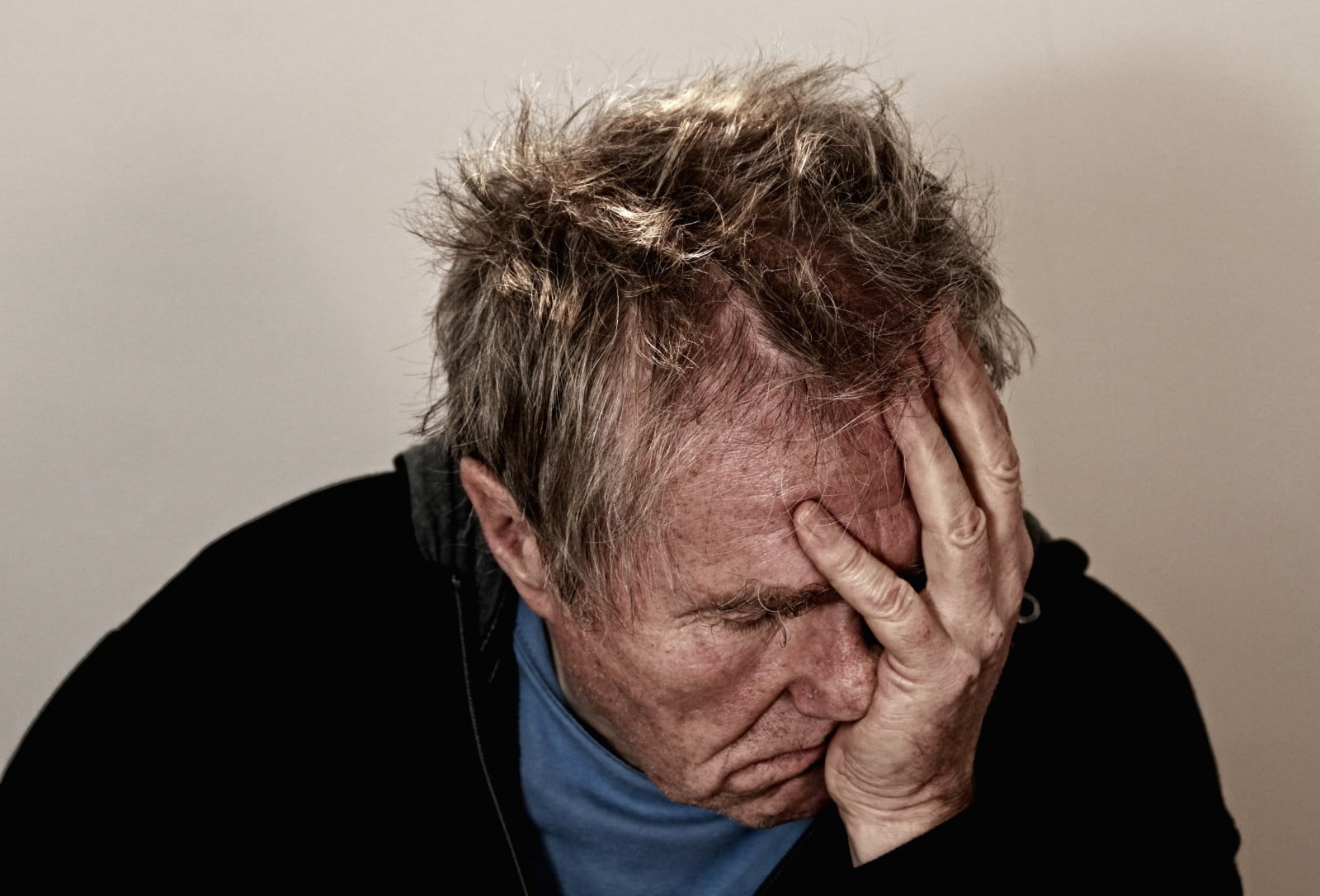
Depression is a serious mental illness that can have a profound effect on every aspect of a person’s life. Acute depression is characterized by a sudden onset of intense sadness, anxiety, or despair. This type of depression can be caused by a traumatic event, such as the death of a loved one, a divorce, or losing a job. Acute depression is treated with medication, therapy, or a combination of both. In this article, we will take a closer look at acute depression, its causes, symptoms, and treatment options.
Acute Depression
Table of Contents
Acute depression is a mental illness characterized by a sudden onset of intense sadness, anxiety, or despair that lasts for several weeks. This type of depression can be caused by a traumatic event such as the death of a loved one, a divorce, or losing a job. Symptoms of acute depression include feeling hopeless, worthless, or helpless; feeling irritable or restless; sleeping too little or too much; and having little energy or interest in activities you used to enjoy. Acute depression is treated with medication, therapy, or a combination of both. Acute depression can be prevented by getting treatment early and following the treatment plan.
What Are The Symptoms Of Acute Depression?
Acute depression is a serious mental health condition that is characterized by a sudden onset of intense sadness, anxiety, or despair. This type of depression can be caused by a traumatic event, such as the death of a loved one, a divorce, or losing a job. Symptoms of acute depression include feeling hopeless, worthless, or helpless; feeling irritable or restless; sleeping too little or too much; and having little energy or interest in activities you used to enjoy. Early diagnosis and treatment are essential for preventing acute depression from becoming chronic. Acute depression is treated with medication, therapy, or a combination of both.
What Are The Causes Of Acute Depression?
Depression is a complex mental illness with a variety of possible causes. Some people experience depression as a result of a change in brain chemistry, while others may have a family history of the condition. Major life changes or trauma can trigger depression in some people, while chronic stress can be a cause for others. Additionally, there are certain medications or medical conditions that can contribute to the development of depression.
- The most common cause of acute depression is a change in brain chemistry. This can be due to an imbalance of neurotransmitters, the chemicals that transmit messages between nerve cells in the brain. When there is an imbalance of neurotransmitters, it can lead to feelings of sadness, anxiety, or despair. Medications, such as antidepressants, can help to correct this chemical imbalance and relieve symptoms of depression.
- A family history of depression is another possible cause of the condition. If you have a parent or other close relative who has suffered from depression, you may be more likely to experience it yourself. This may be due to genetic factors or shared environmental factors, such as upbringing or lifestyle choices.
- Major life changes or trauma can also trigger acute depression. Losing a loved one, going through a divorce, or losing your job are all examples of events that can lead to feelings of sadness, anxiety, and hopelessness. If you’ve experienced something like this, it’s important to seek professional help so you can process your grief and manage your symptoms.
- Chronic stress is another possible cause of acute depression. Stressful life events, such as financial problems or relationship difficulties, can lead to chronic stress. If left unchecked, chronic stress can lead to feelings of hopelessness and despair. It’s important to find healthy coping mechanisms for dealing with stress so it doesn’t take over your life and lead to depression.
- Certain medications or medical conditions can also contribute to the development of acute depression. For example, people who take steroids for long periods of time may be at risk for developing the condition. Additionally, those who have thyroid problems or other hormone imbalances may also be more likely to experience depression. If you think your medication might be causing depressive symptoms, speak with your doctor about changing doses or switching medications altogether.
How Is Acute Depression Treated?
There are a variety of ways that acute depression can be treated. Antidepressants can help to correct a chemical imbalance in the brain, and therapy can also be helpful in managing symptoms. Other potential treatments for acute depression include electroconvulsive therapy, hospitalization, and self-care.
- Medication is often the first line of treatment for acute depression. Antidepressants can help to correct a chemical imbalance in the brain that may be contributing to depressive symptoms. It’s important to work with a doctor or mental health professional to find the right medication and dosage, as it may take some trial and error to find what works best.
- Therapy is another common treatment for depression. Cognitive behavioral therapy (CBT) is a type of therapy that can help people manage their depressive symptoms by changing negative thought patterns. CBT can be done individually or in group settings, and it has been shown to be an effective treatment for depression.
- Electroconvulsive therapy (ECT) is a controversial but potentially effective treatment for severe depression that does not respond to other treatments. ECT involves passing electrical currents through the brain to induce a seizure. The exact mechanism by which ECT works is not fully understood, but it is thought to have something to do with changes in brain chemistry. ECT is usually done on an outpatient basis, and most people require multiple sessions before seeing any improvement.
- Hospitalization may be necessary in cases of severe depression that are not responding to other treatments. People who are hospitalized for depression typically stay in the hospital for a few days or weeks until their symptoms improve. In some cases, people may need to be involuntarily committed if they are deemed to be a danger to themselves or others.
- Self-care is an important part of treating any type of depression. Eating a healthy diet, getting regular exercise, and getting enough sleep are all important for managing depressive symptoms. Avoiding alcohol and drugs, which can make depressive symptoms worse, is also important.
Can Acute Depression Be Prevented?
- Acute depression is a serious mental health condition that should not be taken lightly. Early intervention is key to preventing the condition from becoming chronic. There are a variety of things that can be done to prevent acute depression, including getting treatment early, following the treatment plan, making lifestyle changes, and practicing stress-relief techniques.
- One of the most important things you can do to prevent acute depression is to get treatment early. If you think you might be suffering from acute depression, it’s important to seek professional help. The sooner you get treatment, the better your chances are of preventing the condition from becoming chronic. Early diagnosis and treatment are essential for preventing acute depression from becoming chronic.
- In addition to getting treatment early, it’s also important to follow the treatment plan. If your doctor prescribes medication, it’s important to take it as prescribed. If you’re attending therapy sessions, it’s important to stick with it and do the homework assigned by your therapist. It may take some time to find the right combination of medications and/or therapies that work for you, but it’s important to be patient and stick with it.
- Making lifestyle changes can also help prevent acute depression. Eating a healthy diet, getting regular exercise, and getting enough sleep are all important for managing depressive symptoms. If you’re struggling with depressive symptoms, make sure to talk to your doctor or therapist about lifestyle changes that might help.
Finally, practicing stress-relief techniques can also help prevent the onset of acute depression. Stress can trigger or worsen depressive symptoms, so it’s important to find ways to manage stress in your life. Some stress-relief techniques that may help include yoga, meditation, and deep breathing exercises.
Conclusion
Acute depression is a serious mental health disorder that can have significant negative impacts on a person’s day-to-day life. The condition is characterized by a persistent low mood lasting for at least two weeks, and common symptoms include feelings of sadness, hopelessness, irritability, and loss of interest in activities.
There are several different treatment options available, including medication, therapy, and lifestyle changes. The long-term effects of acute depression can be serious, and people who suffer from the condition are at an increased risk of developing chronic depression or anxiety disorders. If you think you may be suffering from acute depression, it is important to seek professional help.
Last Words Of Authors
As the author of this blog post, I want to reflect on my experience with acute depression and what I want readers to take away from it. I suffer from acute depression, and it has had a significant impact on my ability to function in daily life. The symptoms of acute depression are very real, and can be extremely debilitating. The condition is often misunderstood, and people suffering from it can feel isolated and alone.
There are several different treatment options available for people suffering from acute depression, and I encourage anyone who is struggling to seek help. Medication, therapy, and lifestyle changes can all be effective treatments for the condition. The most important thing is to reach out for help if you are struggling.
I also want to encourage people to educate themselves about mental health disorders like acute depression. Knowledge is power, and the more we understand about these conditions, the better we can support those who are suffering from them. If you think you might be suffering from acute depression, please reach out for help.
FAQ
The most common symptom of acute depression is a low mood that lasts for at least two weeks. Other symptoms may include feelings of sadness, hopelessness, irritability, and loss of interest in activities. Acute depression can have a significant impact on a person’s ability to function in their day-to-day life. If you think you might be suffering from acute depression, it is important to seek help from a mental health professional.
There are several different treatment options available for people suffering from acute depression. These include medication, therapy, and lifestyle changes. The type of treatment that is best for you will depend on the severity of your symptoms and your personal preferences. It is important to work with a mental health professional to find the treatment that is right for you.
The long-term effects of acute depression can be serious. People who suffer from the condition are at an increased risk of developing chronic depression or anxiety disorders. Additionally, acute depression can lead to problems in relationships, work, and school performance. If you think you might be suffering from acute depression, it is important to seek help from a mental health professional.
There is no sure way to prevent acute depression. However, there are some things that may help reduce your risk of developing the condition. These include maintaining a healthy lifestyle, managing stress levels, and getting regular exercise. If you think you might be at risk for developing acute depression, it is important to talk to a mental health professional about ways to reduce your risk.